India’s Monsoon Arrives a Week Early: What Does It Mean?

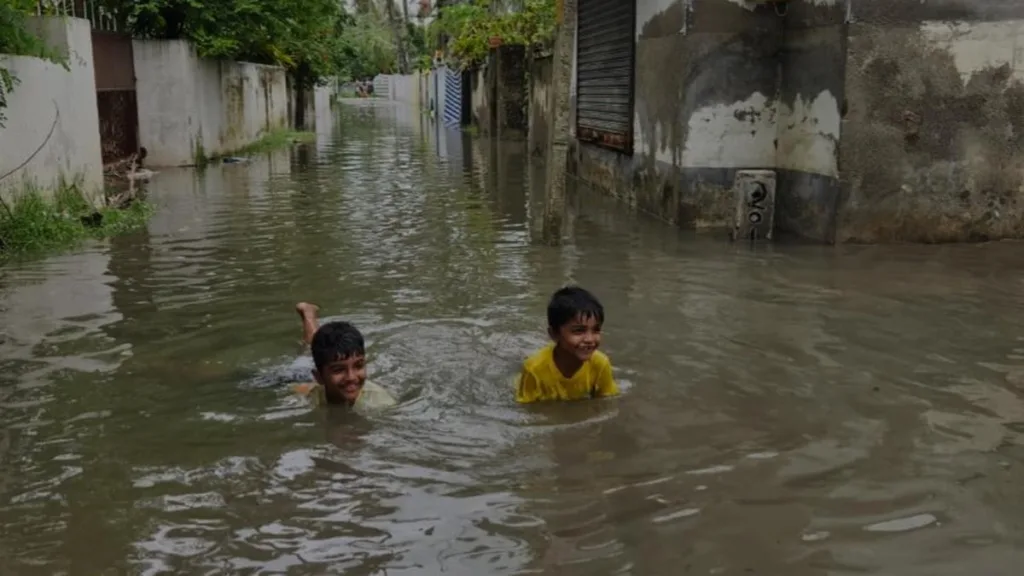
India’s Monsoon Arrives Early
The India Meteorological Department (IMD) announced last week that the southwest monsoon arrived in Kerala on May 24th, a full week earlier than its usual onset date. This early arrival is exciting news, but it doesn’t necessarily guarantee a bountiful monsoon season.
The Science Behind the Monsoon’s Arrival
Predicting the exact date of the monsoon’s arrival is a complex challenge. While we know the monsoon typically begins around June 1st, factors like El Niño and La Niña patterns, sea surface temperatures, and even global warming can influence its timing.
Scientists are still working to fully understand the intricate processes that drive the monsoon. While there are theories, there isn’t a definitive answer as to why the monsoon arrived early this year. Interestingly, there’s been a trend of the monsoon arriving a few days later since the 1970s, possibly due to climate change.
Past Early Onsets
This year’s early arrival is reminiscent of 2009, when the monsoon also began a week early. However, 2009 turned out to be a year of severe monsoon drought, highlighting that early onset doesn’t always equate to a good monsoon season.
In 2009, global temperatures were slightly higher than the pre-industrial average, and there was a mild El Niño event. The unusual warm temperatures across the tropical Pacific that year may have been a factor.
Looking Ahead
Currently, 2025 is experiencing record warm temperatures following a strong El Niño in 2023 and a failed La Niña in 2024. While forecasts predict a neutral year for El Niño and the Indian Ocean Dipole, some indicators suggest a possible El Niño development this summer.
The relationship between these climate patterns and the monsoon’s early arrival is complex. More research is needed to understand how global warming and other factors influence the monsoon’s behavior.
Changes in Rainfall Patterns
Beyond the timing of the monsoon, its distribution and intensity are also changing. We’re seeing more extreme weather events, including floods and droughts, throughout the season. This variability makes it even more challenging to predict the monsoon’s impact on agriculture and water resources.
A Call for Deeper Understanding
While we may not have all the answers about the monsoon’s early arrival, this event serves as a reminder of the need for continued research and monitoring. Understanding the complex interplay of climate factors is crucial for better predicting the monsoon and its implications for India and the region.