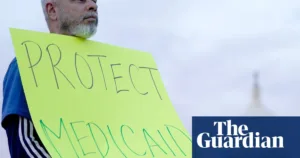
Republican Plan to Slash Safety Net Programs: Millions at Risk

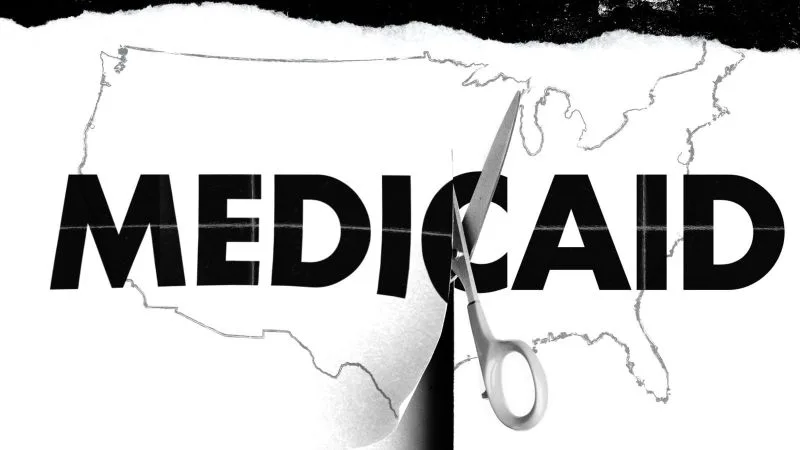
GOP Targets Medicaid and Food Stamps in Sweeping Budget Cuts
House Republicans are proposing a significant overhaul to the nation’s social safety net, aiming to slash nearly $1 trillion from Medicaid and food stamps over the next decade. This controversial plan, central to their legislative agenda, could have a profound impact on millions of Americans, particularly those most vulnerable.
Who Would Be Impacted?
While Republicans argue the changes primarily target able-bodied adults who could be employed, experts warn the impact will be much broader. Millions of Americans, including children, people with disabilities, and seniors, could lose access to vital healthcare and food assistance.
Over 71 million people rely on Medicaid, and 42 million Americans receive food stamps, highlighting the significant scale of these programs. Cutting these programs would leave a huge hole in the safety net, potentially pushing millions deeper into poverty and hardship.
States Bear the Brunt
The burden of these cuts would fall heavily on states. They would face the daunting task of absorbing hundreds of billions of dollars in lost federal funding, a prospect that could force them to make tough choices.
States might be forced to:
- Slash enrollment in Medicaid.
- Reduce benefits for Medicaid recipients.
- Lower provider rates for Medicaid services.
- Withdraw from the food stamp program altogether.
- Increase taxes to compensate for the lost federal funding.
These consequences could have cascading effects, leading to reduced access to healthcare, increased food insecurity, and a decline in the overall quality of life for millions of Americans.
Healthcare System in Jeopardy
Hospitals, already struggling with rising costs and unpaid bills, could face further challenges. Reduced federal funding for Medicaid could lead to closures, reduced services, and higher costs for patients with private insurance.
Grocery Stores and Local Economies at Risk
The cuts to food stamps could also have a ripple effect on local economies. The National Grocers Association warns that food stamp recipients inject billions of dollars into the economy annually. Reduced food stamp benefits could lead to job losses in the grocery sector and a decline in overall consumer spending.
The Future of the Proposal
The fate of this proposal remains uncertain. Conservative and moderate factions within the Republican party are currently battling over its provisions, and the Senate is expected to make further changes before a final bill is enacted into law. However, the potential impact on millions of Americans is already generating significant debate and concern.