Houthi Rebels Claim US Retreat in Yemen Ceasefire Agreement

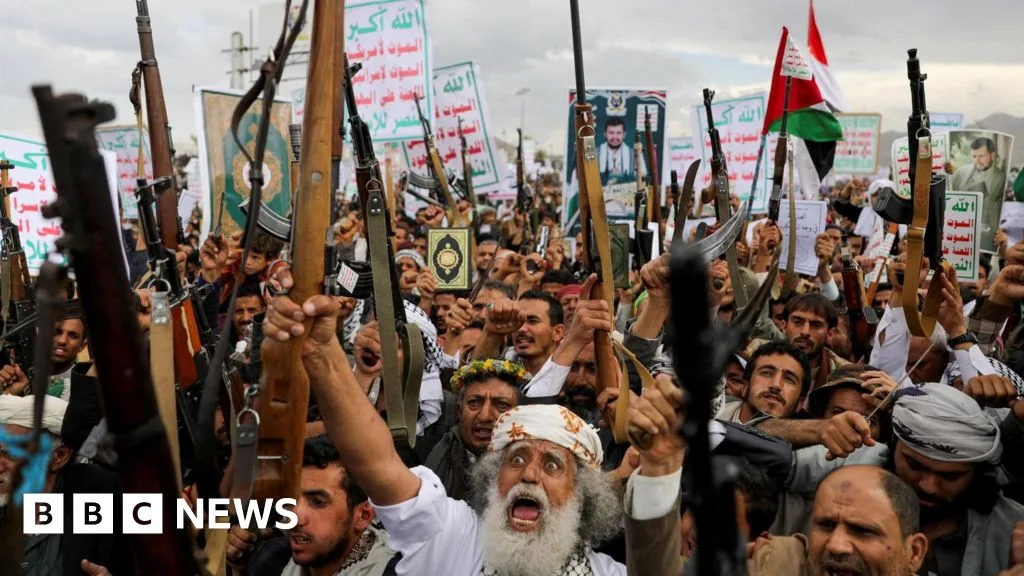
Houthi Rebels Reject US ‘Capitulation’ Narrative in Yemen Ceasefire
A senior Houthi official has firmly rejected US President Donald Trump’s assertion that the Yemen-based armed group ‘capitulated’ during ceasefire negotiations. Mohammed Abdul Salam, the Houthis’ chief negotiator, stated on Houthi-run Al-Masirah TV that the US had actually ‘backed down’ instead.
“What changed is the American position, but our position remains firm,” Abdul Salam emphasized.
The ceasefire agreement, brokered by Oman, stipulates that the US and Houthis will ‘no longer target each other.’ This follows seven weeks of escalated US airstrikes on Yemen in response to Houthi missile and drone attacks targeting international shipping in the Red Sea.
Israel Not Included in Ceasefire
Abdul Salam clarified that the ceasefire does not extend to attacks on Israel, which has conducted retaliatory airstrikes on Yemen this week. He reaffirmed the Houthis’ unwavering support for the Palestinian people in Gaza, stating that this stance will remain unchanged.
The Iran-backed Houthi group has held control over much of northwestern Yemen since 2014, when they ousted the internationally recognized government from the capital, Sanaa, triggering a devastating civil war.
Since November 2023, the Houthis have targeted numerous merchant vessels in the Red Sea and the Gulf of Aden with missiles, drones, and small boat attacks. These attacks have resulted in the sinking of two vessels, the seizure of a third, and the deaths of four crew members. The Houthis maintain that their actions are in solidarity with the Palestinians in the ongoing conflict between Israel and Hamas in Gaza and claim – often disputed – that their targets are solely ships linked to Israel, the US, or the UK.
Escalating Tensions and US Airstrikes
Despite the deployment of Western warships in the Red Sea and Gulf of Aden to protect merchant vessels last year, and multiple rounds of US airstrikes against Houthi military targets ordered by former President Joe Biden, the Houthis persisted in their attacks.
On March 15, President Trump escalated the air campaign against the Houthis, threatening their complete annihilation. By the end of April, the US military reported striking over 800 targets, including command-and-control facilities, air defense systems, and weapons manufacturing and storage sites. They claimed these strikes had killed hundreds of Houthi fighters and ‘numerous Houthi leaders,’ although they did not provide names. Houthi-run authorities maintain that the strikes have resulted in the deaths of dozens of civilians, but have reported few casualties among their own ranks.
On Tuesday, at the White House, Trump announced that the Houthis had declared their unwillingness to fight further. “They just don’t want to fight, and we will honor that and we will stop the bombings, and they have capitulated,” Trump stated. “But, more importantly, we will take their word.” he added, emphasizing their commitment to cease attacks on ships.
Later, Omani Foreign Minister Badr Albusaidi confirmed on social media platform X that, going forward, neither side would target the other, including American vessels, in the Red Sea and Bab al-Mandab Strait. This assurance aims to ensure freedom of navigation and the smooth flow of international commercial shipping.
“