
A New Take on Bhima Koregaon: A Dalit Group Embraces Hindutva

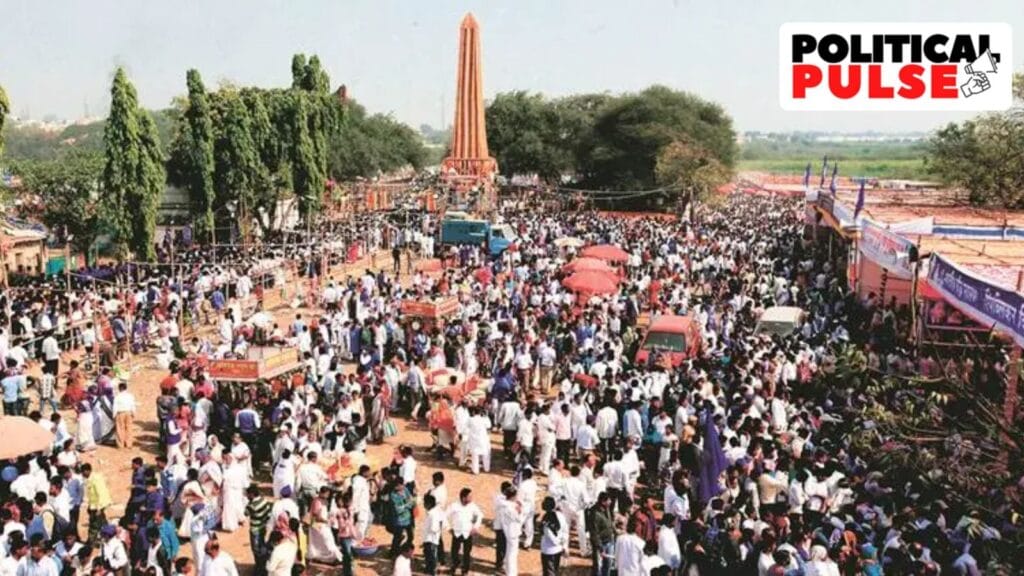
Rewriting History: A Dalit Group’s Unique Approach to Bhima Koregaon
In the heart of Maharashtra, a group of Dalits are challenging the traditional narrative surrounding the Battle of Bhima Koregaon, a pivotal moment in India’s history. This group, known as the Vivek Vichar Manch, is promoting a new interpretation that emphasizes social unity and downplays caste divisions.
This initiative comes at a time when caste-based politics is on the rise in India, with parties like the Congress highlighting the need for a caste census and increased representation for marginalized communities. The Vivek Vichar Manch, however, is taking a different approach, seeking to bridge the gap between Dalits and other Hindu castes.
A Controversial Battle
The Battle of Bhima Koregaon, fought on January 1, 1818, is often remembered as a victory for Dalits over the Brahmin Peshwas. This narrative sees the Mahars, a Dalit community, as the primary heroes who fought against the oppressive Brahminical rule.
However, the Vivek Vichar Manch, with support from the BJP and the RSS, is presenting a different perspective. They argue that the battle involved individuals from various castes, not just the Mahars, and that it should be seen as a broader fight for India’s independence.
Promoting Social Harmony
The Manch believes that focusing solely on caste-based narratives can be divisive and harmful. They aim to promote Hindu unity and social harmony among all communities, regardless of their caste background. This aligns with the BJP’s ideology of “Hindutva,” which seeks to unite Hindus under a single national identity.
A Strategic Move?
The Vivek Vichar Manch’s efforts are seen by some as a strategic move by the BJP to gain the support of Dalit voters. By presenting a more inclusive interpretation of history and emphasizing social harmony, the party hopes to appeal to Dalits who may be disillusioned with traditional caste-based politics.
The Manch’s activities, including organizing social dialogues and promoting books that challenge the traditional narrative, have sparked debate and controversy. Critics argue that the group is distorting history and promoting a Hindutva agenda that could further marginalize Dalits.


