Why Bengaluru, India’s Tech Hub, Can’t Stop Flooding


Bengaluru’s Recurring Flood Woes
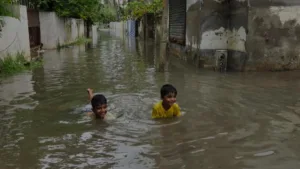
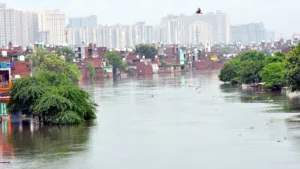
Even a light shower can turn Bengaluru, India’s booming tech hub, into a watery mess. It’s a yearly spectacle – traffic gridlock, submerged homes, and businesses struggling to stay afloat. The irony is palpable: a city renowned for its innovation and prosperity struggles with a problem that seems simplistic – water management.
A City Built on Lakes, Now Drowning
What makes Bengaluru’s flooding so frustrating is its elevation. Perched over 3,000 feet above sea level, it shouldn’t be susceptible to the kind of severe flooding experienced. Unlike the Netherlands, which skillfully navigates its low-lying terrain, Bengaluru’s problems stem from decades of unchecked urban sprawl.
The Price of Progress
During the IT boom of the 1990s, Bengaluru saw rapid development. However, this progress came at a cost – natural lakes were filled in to make way for tech parks, residential areas, and infrastructure. Now, these concrete jungles are struggling to absorb the rainwater, leading to disastrous consequences.
A Broken Drainage System
The city’s stormwater drainage network, designed for a different era, is woefully inadequate. Only a fraction of the drainage system has retaining walls, and encroachments further exacerbate the problem. Poor maintenance and inadequate desilting worsen the situation, leaving the city vulnerable to even moderate rainfall.
Political Promises and Ground Realities
Each year, the city government promises to address the flooding issue, but little tangible change is seen. The cycle repeats itself, with officials making public pronouncements and visiting flooded areas, only to see the same problems resurface the next monsoon season.
A Call for a Sponge City
Civic activists and urban planners are calling for a radical shift in Bengaluru’s approach. They advocate for transforming the city into a ‘sponge city’ – one that absorbs rainwater, recharges groundwater, and minimizes runoff. This requires a combination of retrofitting existing infrastructure, clearing encroachments on water channels, and promoting water-sensitive urban design.
The Need for Strong Governance
Experts emphasize the need for robust governance and efficient city management. The absence of an elected council for over four years is seen as a major obstacle, hindering effective decision-making and local representation.
Protecting Bengaluru’s Brand
Bengaluru’s image as a vibrant and innovative city is being tarnished by its recurrent flooding. Addressing this crisis is not just about mitigating the physical damage; it’s about safeguarding the city’s reputation and ensuring its continued economic growth.