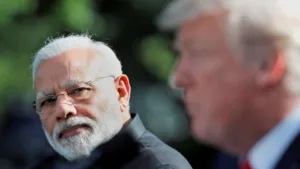
US Plays Key Role in Ending India-Pakistan Military Standoff


A Tense Standoff Ends: India and Pakistan Agree to Ceasefire
After four days of escalating military tensions, India and Pakistan have agreed to a ceasefire. The United States played a pivotal role in facilitating this de-escalation, with high-level talks between US officials and leaders from both countries.
The US Takes the Lead
The US Secretary of State and National Security Advisor, Marco Rubio, made a crucial series of calls to key figures in both India and Pakistan. He spoke to Pakistan’s Army Chief, General Asim Munir, for the first time, offering US assistance in starting constructive talks to prevent future conflicts. This direct engagement with Munir, who many believe fueled the tension with his inflammatory rhetoric, signaled the seriousness of the situation.
Rubio had also previously spoken with both Indian External Affairs Minister S Jaishankar and Pakistani Prime Minister Shehbaz Sharif. The US President, Donald Trump, and Vice President J.D. Vance also joined the diplomatic efforts, engaging with both sides.
Timeline of Events
The military standoff began after India launched airstrikes on nine terrorist sites in Pakistan and PoK on May 7th. In response, Pakistan launched a barrage of drone attacks on India, which were largely intercepted. The situation escalated further with Pakistan attacking Srinagar and launching a drone attack near Delhi.
India’s Firm Stance
India has maintained a strong stance, emphasizing its strategic imperative for peace after demonstrating its capability to defend itself against the drone and missile attacks.
An official source stated that any future terror attack would be considered an act of war and that India would continue with its diplomatic and economic retaliatory measures, including the suspension of the World Bank-brokered Indus Water Treaty.
Pakistan’s Perspective
For Pakistan, the ceasefire provides an off-ramp. The agreement coincides with Pakistan securing a bailout package from the IMF, despite India’s abstention. This win for Islamabad allows them to portray a positive outcome despite the conflict.
Looking Ahead
The ceasefire offers a fragile peace, and its longevity remains uncertain. The success of the truce will depend on the goodwill of both militaries and the Pakistani establishment, led by General Munir and Lt General Malik, the ISI chief.