India Bombs Pakistan: Balancing Global Rise with Regional Friction

India’s Balancing Act: Trade Deals and Military Strikes
This week, India found itself juggling two very different realities. On one hand, it signed a landmark trade deal with the UK, solidifying its position as a rising global power. This deal is just one of many India is negotiating, including with the US and EU, reflecting its ambition to become a major player on the world stage. India is the world’s most populous country and boasts the fastest-growing major economy, on track to become the third largest globally.
However, on the other hand, India launched military operations against Pakistan, highlighting the country’s ongoing struggle with regional instability.
Kashmir: A Source of Conflict
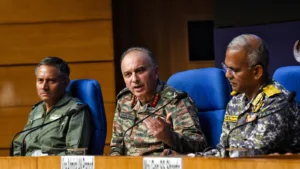
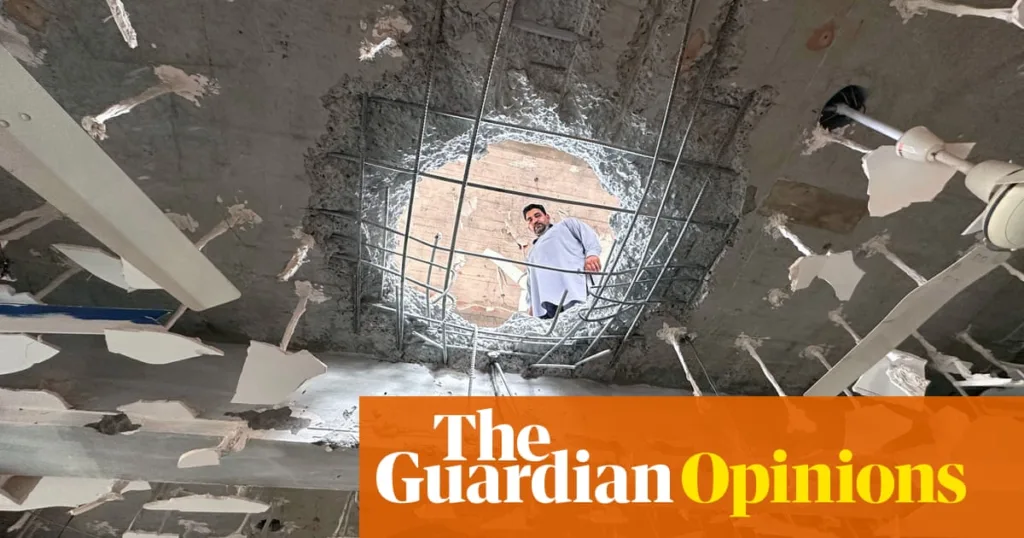
The military action stems from a terrorist attack last month in Indian-administered Kashmir, where 26 tourists were killed. The operation, named ‘Sindoor,’ is a symbolic reference to marriage, honoring the women who lost their husbands in the attack, which specifically targeted Hindu men. New Delhi insists its actions are limited, targeting terrorist infrastructure rather than military installations, although civilian casualties have been reported. They claim the strikes are “precision,” “focused,” “measured,” and “non-escalatory” in nature.
But Pakistan’s response is key to determining if the situation remains stable. The risk of accidental escalation is high, with both countries adopting assertive military postures to appease domestic political pressures and nationalist sentiments.
A World Less Involved
Traditionally, the US played a crucial role in de-escalating tensions between India and Pakistan. However, President Trump’s indifferent stance, referring to the current hostilities as “a shame” and suggesting both countries “sort it out,” indicates a diminished willingness from Washington to intervene in South Asian geopolitics.
With the US increasingly focused on spheres of influence, the current conflict highlights the lack of external pressure to prevent further escalation.
Kashmir’s Strategic Importance
The conflict over Kashmir is deeply rooted in history. India and Pakistan have fought three wars since their independence in 1947, two of them over Kashmir. The territory is vital to Pakistan’s security because 80% of its cultivated land relies on water from the Indus River system that flows through Kashmir. India’s decision to hold a longstanding water agreement in abeyance is considered a grave threat to Pakistan’s existence.
Reports of valuable minerals in Kashmir have further escalated the strategic importance of the region for India.
Identity at the Core
At the heart of the conflict lies a question of identity, stemming from the traumatic partition of India in 1947. The Pakistani state, particularly its military and intelligence agencies, have built legitimacy by maintaining a strong anti-India stance.
In Pakistan, the military holds significant sway, with no civilian prime minister ever completing a full term. This power dynamic is deeply intertwined with the ongoing conflict with India.
India’s actions, such as revoking Kashmir’s special autonomous status in 2019 and dividing the state into two territories directly controlled by New Delhi, have further inflamed tensions. While India claims these actions normalized Kashmir’s status, the recent terrorist attack and retaliatory military strikes demonstrate the deep-seated instability in the region.
Kashmir’s future remains uncertain, with local grievances and identity concerns continuing to simmer. The long-standing historical faultlines and questions of national identity make it unlikely that these tensions will ease anytime soon. India’s global ambitions are seemingly held hostage to the ongoing regional conflicts.