Maoist Leader Basava Raju Dead: A Look at the Life and Crimes of the Top Naxal

The Death of a Rebel: Basava Raju, Top Maoist Leader, Killed in Encounter
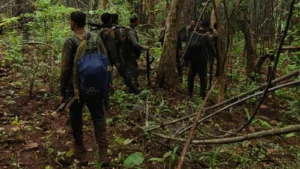
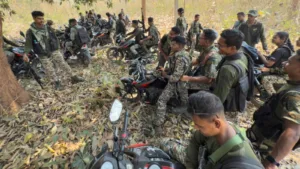
In a major blow to the Maoist insurgency in India, security forces have gunned down Nambala Keshav Rao, widely known as Basava Raju, a top leader of the Communist Party of India (Maoist), in an encounter in the dense jungles of Abujhmad, Chhattisgarh. Raju was one of 26 Naxals killed in the operation.
Raju, estimated to be around 70 years old, had been a key figure in the Maoist movement for decades. He succeeded Ganapathy, the CPI (Maoist)’s first general secretary, in 2018. Ganapathy himself had allegedly fled to the Philippines.
A Life Dedicated to the Cause
Basava Raju’s journey to becoming a Maoist leader was a long one. Hailing from Andhra Pradesh’s Srikakulam district, he was drawn to the CPI(ML) People’s War Group from a young age. Before embracing the ideology of Maoism, he was a kabadi player and even earned a B.Tech degree from the National Institute of Technology, Warangal (formerly Regional Engineering College, Warangal). This academic background made him stand out among other Naxal leaders.
He joined the People’s War Group in the early 1980s and eventually rose through the ranks to become the head of the CPI (Maoist) Military Commission. In 2018, he was appointed General Secretary after Ganapathy’s resignation.
A Legacy of Violence
Basava Raju is infamous for leading some of the most brutal attacks against security forces and political figures.
He is known to have masterminded the 2010 Chintalnar ambush, where Maoists killed 76 Central Reserve Police Force (CRPF) personnel. He was also implicated in the 2013 Jhiram Ghati massacre, in which a Congress convoy was ambushed, resulting in the deaths of state party leaders.
In 2018, Raju was allegedly behind the killing of Araku Telugu Desam Party MLA Kidari Sarveswara Rao and ex-MLA Siveri Soma.
The Abujhmad Encounter: A Turning Point
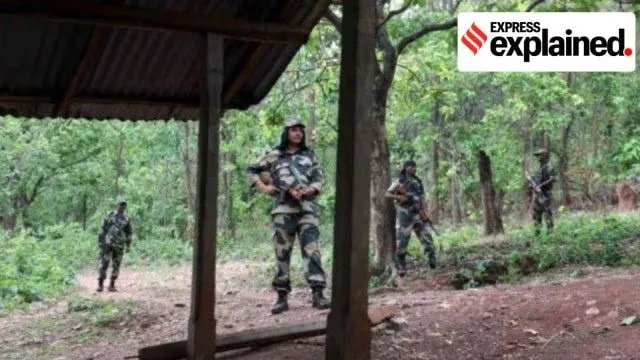
The Abujhmad encounter is a significant development in the fight against Maoist insurgency in India. The area, larger than the state of Goa, is known as a stronghold for the Maoists. The security forces launched this operation based on intelligence that a top Maoist leader was hiding there.
The operation involved the District Reserve Guard (DRG) from four districts: Narayanpur, Dantewada, Bijapur, and Kondagaon.
Raju: A Wanted Man
Basava Raju was considered one of the most dangerous Maoist leaders and was on the National Investigation Agency’s (NIA) most wanted list. A reward of over Rs 1 crore was placed on his head.
His expertise in explosives was particularly feared, as he was known to create deadly IEDs used in ambushes against security forces.
A Complex Legacy
The death of Basava Raju is a major victory for the Indian government in its fight against Maoism. However, it remains to be seen whether this will significantly weaken the Maoist movement in the long run. The complex socio-economic factors that fuel the insurgency in India’s tribal areas continue to pose a significant challenge.