
India Reports Fresh COVID-19 Surge: What You Need to Know About the JN.1 Variant

COVID-19 Cases on the Rise in India
India is experiencing a fresh wave of COVID-19 cases, mirroring a recent surge in Southeast Asia. The majority of these new cases are concentrated in Kerala, Maharashtra, Gujarat, and Tamil Nadu, but thankfully, most are mild and haven’t resulted in severe illness or fatalities.
The JN.1 Sub-Variant: A Descendant of Omicron
The driving force behind this resurgence appears to be the JN.1 sub-variant, which is a descendant of the highly transmissible ‘Pirola’ strain, known as BA.2.86, part of the Omicron lineage. Dr. Jatin Ahuja, an infectious disease specialist at Indraprastha Apollo Hospitals in Delhi, explains that JN.1 shares many common characteristics with Omicron, including the ability to evade existing immunity and spread easily.
Understanding JN.1: Mutations and Immune Evasion
JN.1 has accumulated around 30 mutations, primarily in its spike protein, the part responsible for entering our cells. These changes help the virus evade our immune system’s recognition, making it more transmissible. But it’s important to note that the increased number of mutations doesn’t necessarily mean the virus is becoming more dangerous.
Waning Immunity and the Need for Updated Vaccines
With time, the immunity we gain from vaccinations can wane. Currently, vaccines do not specifically target the JN.1 variant. This raises questions about whether a new round of vaccination is necessary. Dr. Ahuja points out that our recent experience with the Omicron wave provides some protection. Our immune systems, through memory T and B cells, still retain the ability to recognize and fight off Omicron and its variants, including JN.1. Memory T cells can target various parts of the virus, while memory B cells produce neutralizing antibodies.
Symptoms and Precautions
Symptoms associated with JN.1 infection are similar to those of other recent COVID-19 variants, including sore throat, cough, fever, and in some cases, nausea or conjunctivitis. Dr. Ahuja recommends the usual precautions: rest, hydration, self-isolation, and antiviral medication for symptomatic relief.
Vulnerable Groups
While most cases are mild, it’s crucial to remember that certain groups are more vulnerable to complications. This includes individuals with pre-existing conditions like uncontrolled diabetes, chronic kidney disease, HIV, or transplant recipients. The elderly, pregnant women, and children are also at increased risk.
The Future of COVID-19 Vaccines
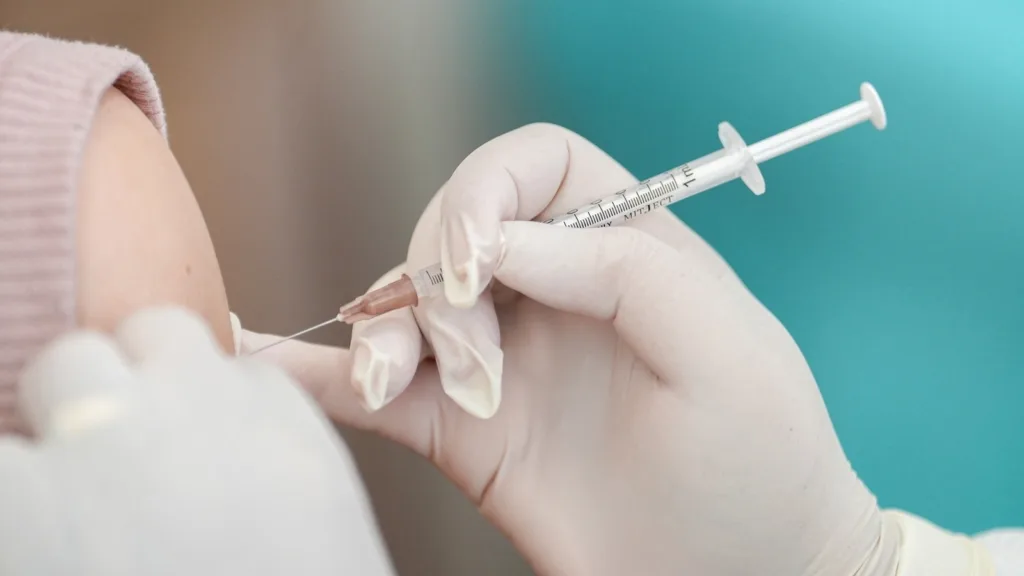
As for the need for updated vaccines, Dr. Ahuja mentions that existing vaccines were designed for earlier strains and may not be as effective against variants like JN.1. He highlights the potential of mRNA vaccines, such as Gemcovac-19, which can be tailored to emerging variants. These vaccines use lab-created mRNA to stimulate an immune response. However, the availability of such vaccines remains limited.
Staying Safe: Back to the Basics
While we await more specific vaccine options, Dr. Ahuja emphasizes the importance of adhering to familiar preventive measures: wearing masks in crowded or polluted spaces, practicing good hand hygiene, and avoiding close contact with infected individuals.


