
India Reassures: No Strikes on Pakistan’s Nuclear Sites

India Clarifies Stance on Pakistan Nuclear Site
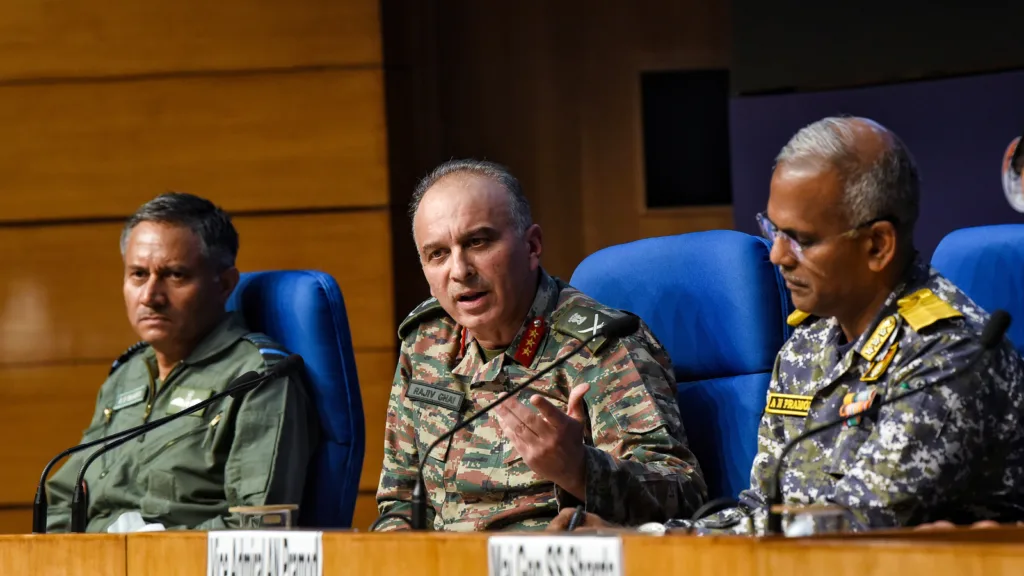
Amidst swirling rumors and social media chatter, India’s Air Marshal AK Bharti addressed concerns head-on, emphatically denying any attacks on Pakistan’s alleged nuclear facility at Kirana Hills. During a press conference on Monday, Bharti stated, “Thank you for telling us that Kirana Hills houses some nuclear installation. We did not know about it. And we have not hit Kirana Hills, whatever is there.”
The clarification comes after speculation arose about India’s recent retaliatory strikes against Pakistan, which followed a terror attack in Pahalgam, Jammu and Kashmir, in April. Reports claimed that India targeted the Mushaf Airbase in Sargodha, potentially linked to underground nuclear storage beneath Kirana Hills, using advanced munitions like loitering and penetrating weapons.
Kirana Hills: A Point of Speculation
Kirana Hills, also known as the “Black Mountains,” is a significant rocky range in Sargodha district, Pakistan, under the control of the Pakistani Ministry of Defence. Its strategic location and potential connection to underground facilities fueled speculation about its relevance in the ongoing conflict.
India Highlights Military Preparedness
Bharti also took the opportunity to showcase the effectiveness of India’s military operations, highlighting the performance of indigenous air defense systems like the Akash system. He emphasized the continued readiness of all military bases and systems to undertake any mission.
On Sunday, Bharti presented visual evidence of substantial damage to Pakistani air defense systems, airfields, and other military installations. He detailed the operation’s targets, including nine terror hideouts across Pakistan and Pakistan-occupied Kashmir linked to groups like Jaish-e-Mohammed, Lashkar-e-Taiba, and Hizbul Mujahideen.
Ceasefire Agreement and Ongoing Tensions
Following the escalations, India and Pakistan announced a bilateral ceasefire agreement, halting all military operations across land, air, and sea. The agreement, brokered by the United States, came after intense diplomatic efforts.
However, tensions remain high, and the DGMO (Director General of Military Operations) continues to engage with counterparts in various countries to de-escalate potential conflicts and manage the situation.


