India and Pakistan Agree to Ceasefire After US Diplomacy

Dramatic Turn of Events: India and Pakistan Agree to Ceasefire
In a dramatic turn of events, US President Donald Trump announced on Saturday that India and Pakistan had agreed to a “full and immediate ceasefire” after four tense days of cross-border clashes. This announcement came after intense behind-the-scenes efforts by US mediators, diplomatic backchannels, and regional players, experts say.
A Fragile Peace: Accusations of Violations
However, just hours after the ceasefire deal, both India and Pakistan were trading accusations of fresh violations. India accused Pakistan of “repeated violations”, while Pakistan insisted it remained committed to the ceasefire, claiming its forces showed “responsibility and restraint”. This underscores the fragility of the agreement.
Escalating Tensions: From Militant Attack to Missile Strikes
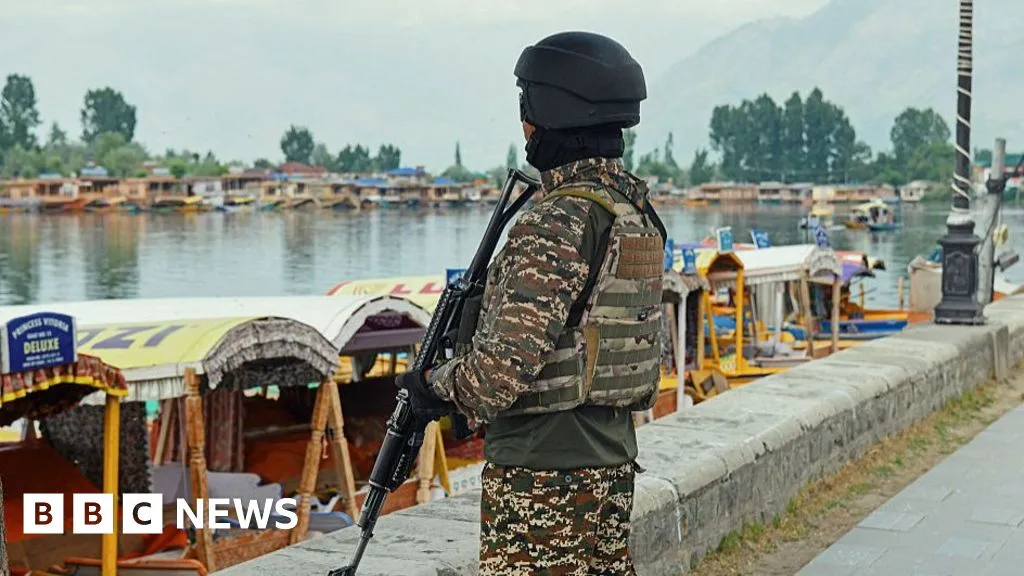
The situation had been spiraling towards a full-blown conflict. After a deadly militant attack killed 26 tourists in Indian-administered Kashmir last month, India launched air strikes inside Pakistan and Pakistan-administered Kashmir. This triggered days of aerial clashes, artillery duels, and, by Saturday morning, accusations from both sides of missile strikes on each other’s airbases. The rhetoric escalated sharply, with each country claiming to have inflicted heavy damage while foiling the other’s attacks.
US Diplomacy: A Crucial Role?
Tanvi Madan, a senior fellow at the Brookings Institution in Washington DC, suggests that US Secretary of State Marco Rubio’s call to Pakistani Army Chief Asim Munir on May 9th might have been the crucial point. She highlights the involvement of other countries like the UK and Saudi Arabia in de-escalation efforts.
Former Indian High Commissioner to Pakistan Ajay Bisaria, while acknowledging the US role, believes former US Secretary of State Mike Pompeo overstated his role in a similar 2019 standoff.
A Hands-Off Approach Initially
Interestingly, the US initially appeared standoffish. US Vice President JD Vance stated that the US was not going to get involved in a conflict “fundamentally none of our business”. President Trump, however, expressed his desire for both leaders to resolve their differences.
Lahore-based defence analyst Ejaz Haider notes that this time, the US initially watched the crisis unfold before stepping in. This hands-off approach contrasted with their more immediate involvement in previous crises. He believes the US was indispensable in achieving the ceasefire.
Nuclear Threat Looms Large
Pakistan’s decision to call a National Command Authority (NCA) meeting, which controls the country’s nuclear weapons, added another layer of complexity to the situation. This signaled the potential for nuclear escalation, highlighting the gravity of the crisis.