Wall Street Cheers as US and China Announce Trade De-escalation

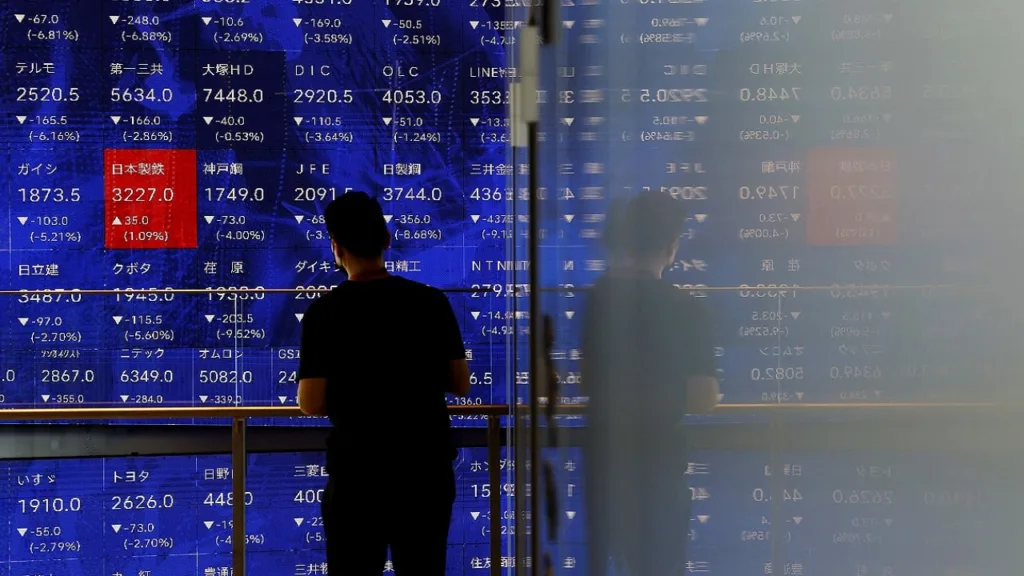
Stocks Surge on Optimism for US-China Trade Deal
Asian markets are celebrating today after the US and China announced a significant de-escalation in their trade war. A gauge of US-listed Chinese stocks jumped 5.4%, marking its best day in over two months. This positive momentum follows strong gains in US equities, where the S&P 500 closed over 3% higher on Monday.
The optimism stems from a joint statement released by both countries outlining a 90-day truce. The US has slashed tariffs on Chinese goods, reducing them to 30% from a previous 145%, while China has lowered its levies on most goods to 10%. This agreement has sparked a wave of relief among investors who had been bracing for further economic turmoil.
A Shift in Market Sentiment
This trade truce brings a welcome reprieve to markets, which had been rattled by heightened trade tensions. Investors who had adopted defensive strategies, such as shorting the dollar or betting on increased volatility and interest rate cuts, are now unwinding these positions, further fueling the market rally. HSBC Bank strategists believe this positive momentum could continue, with further trade agreements likely in the coming weeks.
Tech Stocks Soar, Dow Hits New Highs
The US stock market has witnessed a remarkable rebound. The Nasdaq 100, after plummeting 20% from its previous record in April, has now entered a bull market. Big tech stocks have been particularly strong, contributing significantly to the Dow Jones Industrial Average hitting new highs. The S&P 500 has also surpassed President Trump’s “Liberation Day” level, a testament to the market’s renewed confidence.
Impact on Inflation and Interest Rates
The potential for a reset in inflation expectations is also being reflected in the bond market. Treasury yields jumped on Monday, signaling a decrease in expectations for Fed rate cuts. Traders now anticipate just two rate cuts in 2025, down from previous estimates of nearly 75 basis points.
Lingering Uncertainty and Future Negotiations
Despite the optimism surrounding the trade truce, some uncertainties remain. In Japan, Prime Minister Shigeru Ishiba has stated that the country will not accept any initial trade agreement with the US that excludes an accord on automobiles. Meanwhile, Fed Governor Adriana Kugler has cautioned that the Trump administration’s tariff policies, even with the recent reductions, are likely to increase inflation and hinder economic growth.
The future of US-China relations will continue to shape global markets in the coming months. Investors are eager to see how these negotiations unfold and whether this truce can usher in a more stable era of trade between the world’s two largest economies.