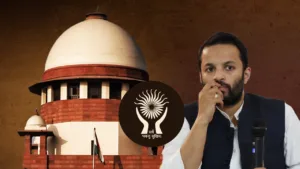
Supreme Court Rejects Airtel and Vodafone’s Plea to Waive AGR Dues

Supreme Court Deals Blow to Airtel and Vodafone
In a significant setback for India’s telecom giants, the Supreme Court on Monday dismissed Airtel and Vodafone Idea’s plea to waive interest and penalties on their adjusted gross revenue (AGR) dues. The court, however, made no comment on the amount of the dues.
AGR Dues and the Impact
The AGR dues, which stand at a staggering Rs 1.5 lakh crore ($18.7 billion) following a 2019 Supreme Court ruling, require telecom companies to pay the government a share of their overall revenue, including non-telecom income. This ruling has been a major source of financial strain for the industry.
The court’s decision will have a significant impact on these companies, potentially leading to further financial instability. Tata Teleservices is also expected to be affected by this ruling.
Reliance Jio Emerges Relatively unscathed
While Airtel, Vodafone Idea, and Tata Teleservices face significant financial burdens, Reliance Jio, which entered the market in 2016, emerged relatively unscathed. Its limited exposure to past dues and adjustments protected it from the full brunt of the AGR ruling.
Court Criticizes Petitions
The Supreme Court bench, comprising Justices J B Pardiwala and R Mahadevan, sharply criticized the petitions filed by the companies, labeling them “shocking and misconceived”. The court questioned why multinational companies chose to seek remedies under Article 32, which deals with fundamental rights.
What’s Next?
With the Supreme Court’s decision, Airtel, Vodafone Idea, and Tata Teleservices now face the daunting task of finding ways to meet their AGR liabilities. The future of the Indian telecom industry hangs in the balance as these companies grapple with this financial challenge.