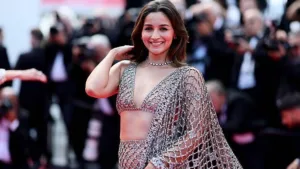
Shah Rukh Khan at the Met Gala: Where Was the Indian Dandyism?


Shah Rukh Khan at the Met Gala 2025: A Missed Opportunity for Indian Dandyism
The 2025 Met Gala was a landmark event, marking the first time in its 77-year history that the prestigious fashion event celebrated Black style. The theme, “Superfine: Tailoring Black Style,” was inspired by Monica Miller’s book Slaves to Fashion: Black Dandyism and the Styling of Black Diasporic Identity (2009), aiming to highlight the role of style in shaping Black identities, particularly in the United States and Europe.
A Celebration of Black Dandyism
Black dandyism, which emerged in the 18th century as a fusion of African and European styles, is characterized by flamboyance and exaggeration. It gained prominence during and after the Harlem Renaissance of the 1920s and has come to represent Black resistance against limiting identity markers. Through fashion, Black dandyism challenges social hierarchies and subverts expectations of how Black people should present themselves.
The Indian Connection
Interestingly, Black dandyism has a direct connection to India. Julius Soubise, often considered the first Black dandy, was a freed slave in 18th-century Britain who later fled to Calcutta, where he lived until his death.
Where Was the Indian Spirit?
With the Met Gala’s focus on Black dandyism, the Indian contingent, led by Shah Rukh Khan, was expected to represent the Indian equivalent of this cultural phenomenon. However, the Indian stars, with the exception of Diljit Dosanjh, whose outfit paid homage to Maharaja Bhupinder Singh of Patiala, largely stayed within the realm of fabric, motifs, and craftsmanship, missing the opportunity to offer a political commentary on Indian fashion and history.
Indian Dandyism: A History of Defiance
Indian dandyism, from the Nawabs and Maharajas of princely states to the Babus of colonial Calcutta, has its own rich history of defiance and assertion. While not always overtly resistant like Black dandyism, it served as a form of social commentary and a challenge to colonial and social norms.
For instance, Ambedkar, a key figure in India’s fight for social justice, wore a three-piece suit as a symbol of breaking caste hierarchies. Dwarkanath Tagore, grandfather of Rabindranath Tagore, famously adorned his shoes with diamonds at a soiree, a bold statement of defiance against the British who had plundered India’s wealth.
A Missed Opportunity for Reflection
The Met Gala 2025 provided a unique platform for Indian stars to explore the complex and often overlooked history of Indian dandyism. By embracing the political and social undertones of this tradition, they could have offered a powerful commentary on identity, resistance, and the enduring legacy of colonialism.