How AI is Transforming the Doctor’s Role: Insights from DDW

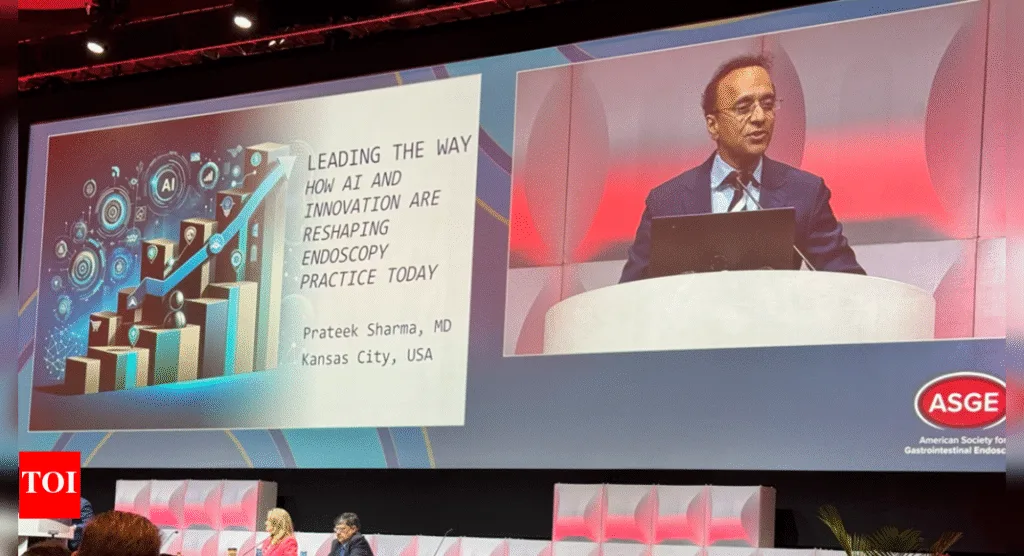
AI is rapidly changing the landscape of healthcare, and at the recent Digestive Disease Week (DDW) in San Diego, two leading voices discussed its impact on the doctor’s role.
Dr. Prateek Sharma, President of the American Society for Gastrointestinal Endoscopy (ASGE), and Dr. Eric Horvitz, Chief Scientific Officer at Microsoft, shared their insights with a large and engaged audience of over 12,000 physicians.
The Growing Role of AI in Gastroenterology
Dr. Sharma, representing the field of gastroenterology, gave real-world examples of how AI is already making a difference. From computer-aided detection and diagnosis during endoscopies to optimizing workflows and predicting patient outcomes, AI is streamlining processes and improving care. He envisions a future where AI-powered digital twins could even provide real-time coaching during procedures, reducing the burden on doctors and enhancing patient safety.
AI as a Tool, Not a Replacement
Dr. Horvitz, who leads Microsoft’s health and AI initiatives, painted a broader picture of AI’s impact on healthcare. He emphasized that AI should be seen as a powerful tool to assist, not replace, human intelligence. AI systems can excel at analyzing vast amounts of data, identifying patterns, and offering insights, but ultimately, clinical judgment and human empathy remain irreplaceable.
The Need for Explainable and Ethical AI
Both speakers stressed the importance of transparency and trust in AI. Dr. Horvitz highlighted the need for explainable AI, where the reasoning behind AI-driven decisions is clear and understandable to both doctors and patients. He also emphasized the ethical considerations surrounding AI development and deployment, calling for ongoing discussions and safeguards to ensure responsible use.
Shaping the Future of AI in Medicine
Dr. Sharma concluded with a powerful message: “AI won’t replace you, but a gastroenterologist who knows how to use AI might.” He underscored the need for clinicians to embrace AI education, learn to leverage its capabilities, and actively participate in shaping its future. Both leaders agreed that interdisciplinary collaboration between doctors, AI experts, and policymakers is essential to ensure that AI evolves in a way that benefits patients and the healthcare system as a whole.