
India Diverts Water: Canal Expansion Amidst Indus Treaty Standoff with Pakistan

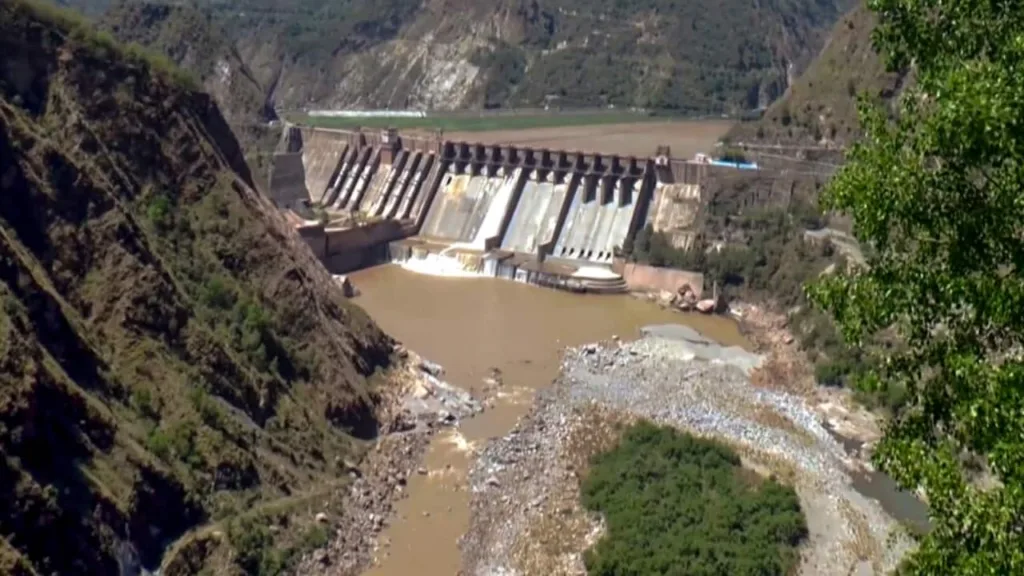
India is making significant moves to bolster its water resources, particularly in the wake of heightened tensions with Pakistan over the Indus Waters Treaty (IWT). The country plans to revamp and expand its existing canals connected to the Indus river system, a move seen as a strategic response to the ongoing dispute.
Background: A Treaty in Question
The Indus Waters Treaty, signed in 1960, governs the sharing of water resources from the Indus River system between India and Pakistan. While India has rights to utilize water from the eastern rivers (Sutlej, Ravi, and Beas), Pakistan has unrestricted access to the western rivers (Indus, Jhelum, and Chenab). However, after the Pahalgam attack in April, India suspended the treaty, citing Pakistan’s support for cross-border terrorism.
India’s Canal Expansion Strategy
According to reports by Hindustan Times, India is prioritizing the rebuilding and expansion of canals linked to the Indus rivers. The Jammu and Kashmir government, under the technical guidance of the Centre, will undertake this multi-phased project.
Among the canals slated for expansion are the Ranbir, New Partap, Ranjan, Tawi Lift, Paragwal, Kathua Canal, and Ravi canals. The aim is to significantly increase their water carrying capacity, thereby expanding the area under irrigation.
Reasons Behind the Expansion
Several factors are driving this strategic initiative:
- Reducing Reliance on Monsoon: The Indian subcontinent heavily relies on the summer monsoon for agriculture. However, the monsoon has become increasingly unpredictable in recent years. Expanding canal systems will provide a more reliable water source for irrigation.
- Addressing Water Scarcity: Jammu and Kashmir, particularly the Jammu region, faces chronic water scarcity despite its suitability for year-round agriculture.
- Boosting Hydropower: India plans to enhance its hydropower capacity on the rivers previously controlled by Pakistan. A feasibility study is underway for this project.
Key Project: Extending the Ranbir Canal
The expansion of the Ranbir canal, a lifeline for the Jammu region, is a key component of this plan. Its length will be increased from 60 km to 120 km, significantly enhancing its irrigation potential. Currently, the Ranbir canal is restricted to carrying a maximum of 1000 cusecs of water for irrigation, a limitation that will be addressed through expansion.
Future Implications
India’s canal expansion plan is a significant development in the ongoing water dispute with Pakistan. While it addresses India’s internal water management needs, it also carries geopolitical implications. The move is likely to further escalate tensions between the two countries, already strained by the suspended Indus Waters Treaty.


