India-Pakistan Tensions: Ceasefire Holds, But Key Measures Remain in Place

India-Pakistan Tensions: Ceasefire Holds, But Key Measures Remain in Place
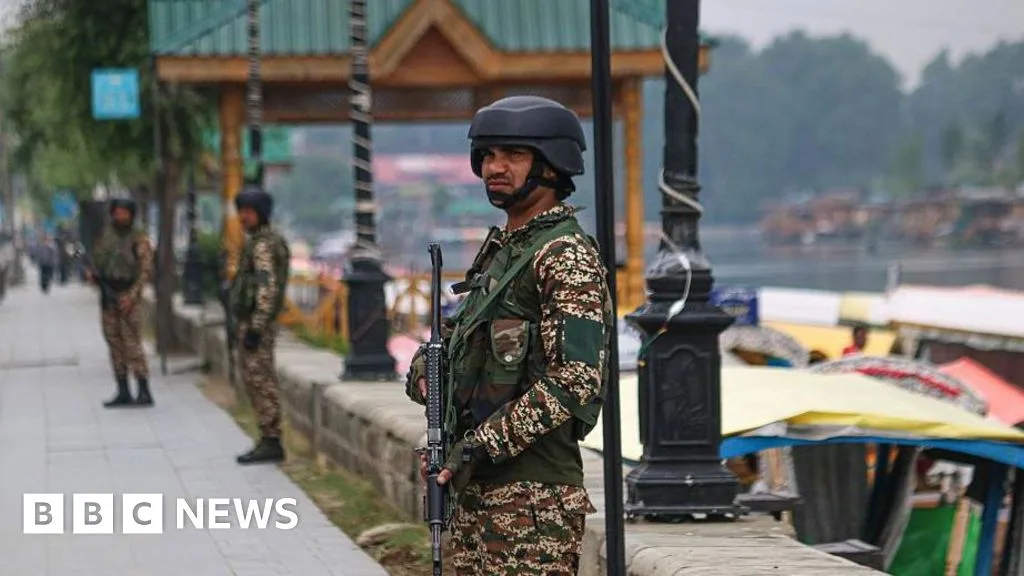
After days of intense military activity, a ceasefire between India and Pakistan has taken hold. But despite the de-escalation, several key measures remain in place, leaving the future of the relationship between the two South Asian neighbors uncertain.
The Tense Background
The recent crisis began on May 7th when India launched airstrikes into Pakistan and Pakistan-administered Kashmir following a deadly militant attack on Indian soil. Pakistan denied involvement in the attack, but the incident sparked four days of intense shelling and aerial incursions between the two nuclear-armed countries. The ceasefire, announced on Saturday, brought a welcome respite, but the underlying tensions remain.
Lingering Measures
While life is slowly returning to normal in towns along the de facto border, several punitive measures announced by both sides before the ceasefire haven’t been reversed.
Suspension of the Indus Waters Treaty
One of the most significant measures is the suspension of the Indus Waters Treaty (IWT), a 1960 agreement brokered by the World Bank that governs water sharing of six rivers in the Indus basin. India stated its commitment to not allowing “water and blood to flow together,” citing terrorism as the reason for the suspension. This move has raised concerns in Pakistan, which heavily relies on these rivers for agriculture and civilian water supply. While experts say it’s technically difficult for India to completely stop the flow of water, controlling the flow could have a significant impact on Pakistan, particularly during dry seasons.
Suspension of Visas and Expulsion of Diplomats
Both India and Pakistan expelled defense attaches from each other’s countries and reduced staff at their respective high commissions. Additionally, both nations suspended nearly all visas for citizens of the other country, severely impacting family visits, marriages, and other personal connections.
Closure of Borders
The Attari-Wagah border, the only land crossing between the two countries, was shut down, separating families and disrupting travel. The Kartarpur Sahib Corridor, which allows Indian pilgrims to visit a Sikh holy shrine in Pakistan without a visa, was also closed from the Indian side.
Closure of Airspace
Both India and Pakistan closed their airspace to each other’s flights, forcing international flights to take longer, costlier detours.
Trade Suspension
Trade between the two countries has also been suspended, further exacerbating economic strains.
Looking Ahead
The fragile ceasefire offers a glimmer of hope, but the numerous unresolved issues cast a long shadow over the future of India-Pakistan relations. While the two countries have a history of conflict, the Indus Waters Treaty’s suspension and the ongoing diplomatic tensions represent a significant escalation. The international community, including the United Nations, is closely monitoring the situation, hoping for a lasting peaceful resolution.