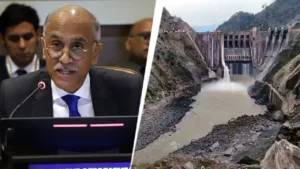
India Suspends Indus Waters Treaty Following Terror Attack, Raising Concerns in Pakistan

Rising Tensions and a Suspended Treaty
The relationship between India and Pakistan has taken a dangerous turn after a deadly terror attack in Pahalgam, India, where 26 Indian tourists lost their lives. Pakistan-based terrorists are believed to be responsible for the attack. In response, India has taken the unprecedented step of suspending the 1960 Indus Waters Treaty, a landmark agreement that governs the sharing of water resources between the two countries.
Water Wars?
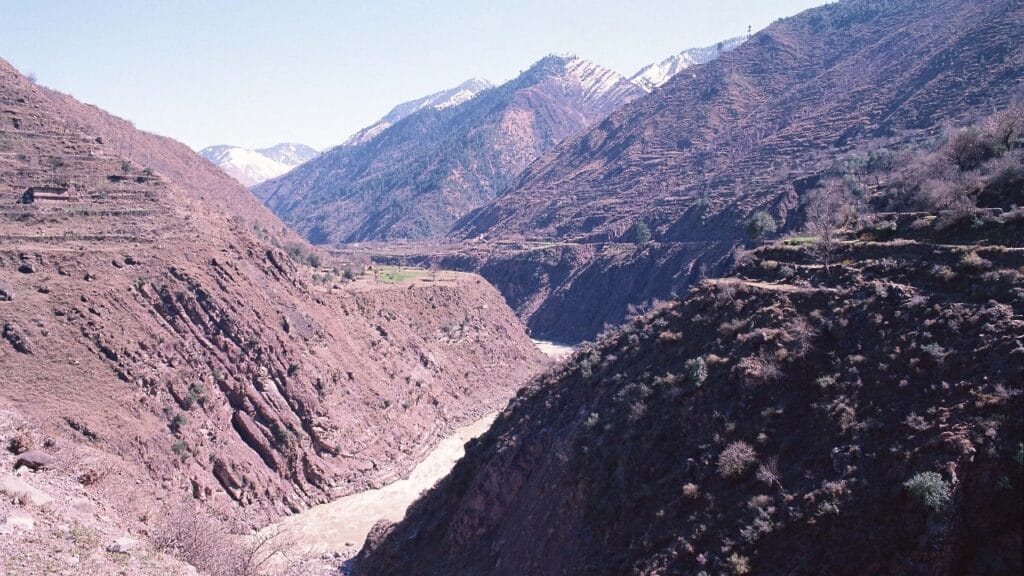
The Indus Waters Treaty is crucial for both nations. It grants India control over the eastern rivers (Ravi, Beas, and Sutlej) while Pakistan manages the western rivers (Indus, Jhelum, and Chenab), even though these rivers originate in Indian-controlled Kashmir. This agreement, brokered by the World Bank, has been a symbol of cooperation, holding strong even through periods of conflict. However, the recent attack has shattered this fragile peace.
Pakistanis on Edge
Adding fuel to the fire, Pakistan has accused India of suddenly releasing water into the Jhelum River without warning, causing a surge in water levels near Muzaffarabad in Pakistan-occupied Kashmir. The Pakistani administration has declared a water emergency, urging residents living near the riverbanks to take precautions. This incident, coupled with the suspension of the treaty, has created panic and anxiety among the Pakistani people.
A Delicate Balance Disrupted
The Indus River system is the lifeblood of Pakistan’s agriculture, which is the backbone of its economy. Nearly 90% of Pakistan’s irrigation depends on water from this basin. Any disruption in water supply, even the perception of future disruption, could lead to severe water shortages, lower crop yields, and social unrest, particularly in the already water-stressed provinces of Punjab and Sindh.
What’s Next?
The suspension of the Indus Waters Treaty is a grave development with far-reaching implications. India has stated that the treaty will remain suspended until Pakistan takes concrete action against cross-border terrorism. However, the path forward remains uncertain. Both countries must engage in constructive dialogue to find a way to resolve their differences and ensure the peaceful and equitable sharing of water resources, a vital resource for the well-being of millions of people.